For whom is a liberal arts education? This question has informed my recent teaching as an Instructor of Record at Columbia University and Concordia University. More importantly, this question is on the minds of many students as they enter institutions of higher education, alongside two other important ones: can I succeed? Do I belong? These questions come up for most undergraduate students, but I have observed that they are mainly present in the minds of nontraditional students. As an immigrant who spoke little to no English at the start of my college education, I once asked myself these questions, which led me to empathize with students who might struggle to see their experiences represented and accounted for in the classroom. As a result of my personal and pedagogical experiences, it is a priority for me to bring principles of equity, diversity, and inclusion into my classroom and respond to recent efforts to decolonize curricula by accounting for students from all walks of life, including those who do not fit the traditional mold. Ultimately, by centering empathy and adapting my curriculum and assessments, I employ evidence-based, high-impact practices to create meaningful engagements in the classroom that set all students up for success. This practice is rooted in the Universal Design for Learning framework, which I use to create learning experiences that serve all learners, regardless of background and familiarity with the subject matter. To ensure that this praxis is sound, I have sought out pedagogical development through Columbia’s Centre for Teaching and Learning in the context of the Teaching Development Program (Advanced Track), co-taught two Learning Communities on Pedagogies of Race and Oppression for Graduate Instructors, and attended several workshops on intercultural pedagogy, inclusivity, and student engagement. I have also created meaningful learning experiences by fine-tuning and adapting my teaching and assessments to fit my students’ needs through peer observations and mid-course reviews.
In my years at Columbia, I have taught various courses as a Teaching Fellow, including Spanish language and surveys of Hispanic cultural production, and, more recently, I was selected as a Preceptor of Literature Humanities through a competitive application process. In light of my commitment to creating meaningful learning experiences for all students, regardless of their pathways into higher education, I requested to teach a section of this year-long class for students from Columbia’s School of General Studies. Whether I find myself teaching language or content courses to traditional or nontraditional students or a mix of the two, I implement strategies to minimize the experience of isolation and invisibility that many students feel. In addition to explaining and demystifying “Office Hours” as spaces for all kinds of inquiry and support, I offer incentives for initiating contact. For instance, I have instituted a “Mid-Semester Check-In” as part of the course assessment, which prompts students to meet with me and bring any work-in-progress. These conversations allow me to provide formative assessment, humanize the figure of the instructor as an approachable figure, and engage students outside of the classroom. This is also an opportunity to make a concerted effort to learn something personal about my students, which results in them feeling seen, appreciated, and cared for. In doing so, I have identified students who may need additional instructional or institutional support but would have otherwise fallen through the cracks.
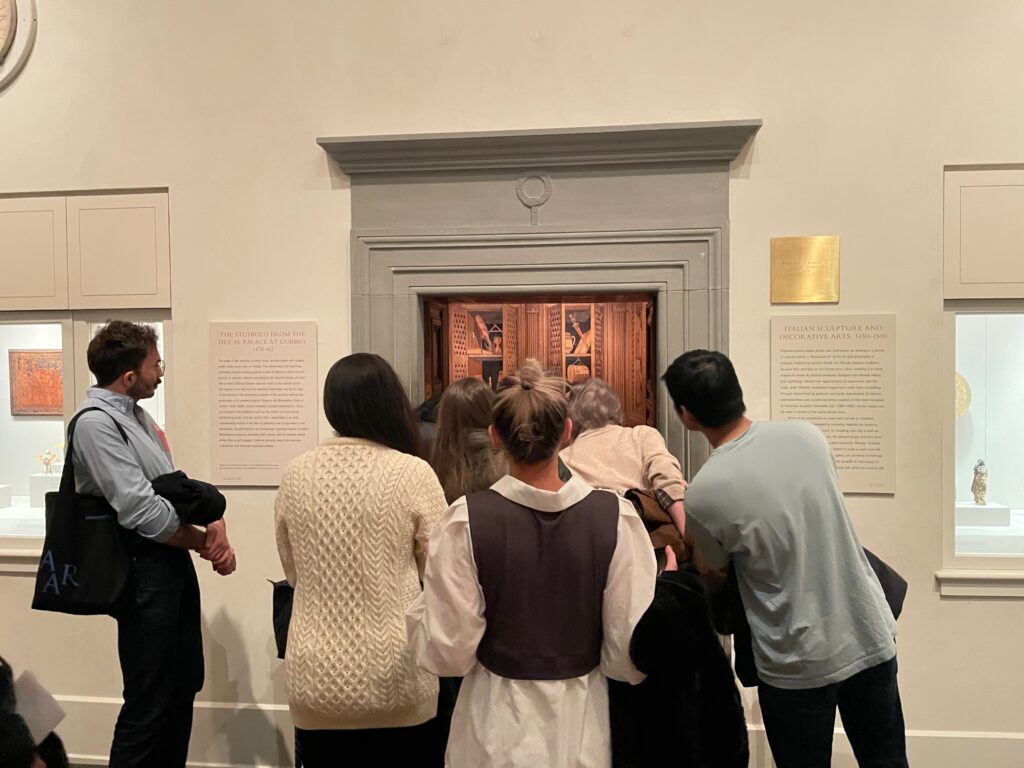
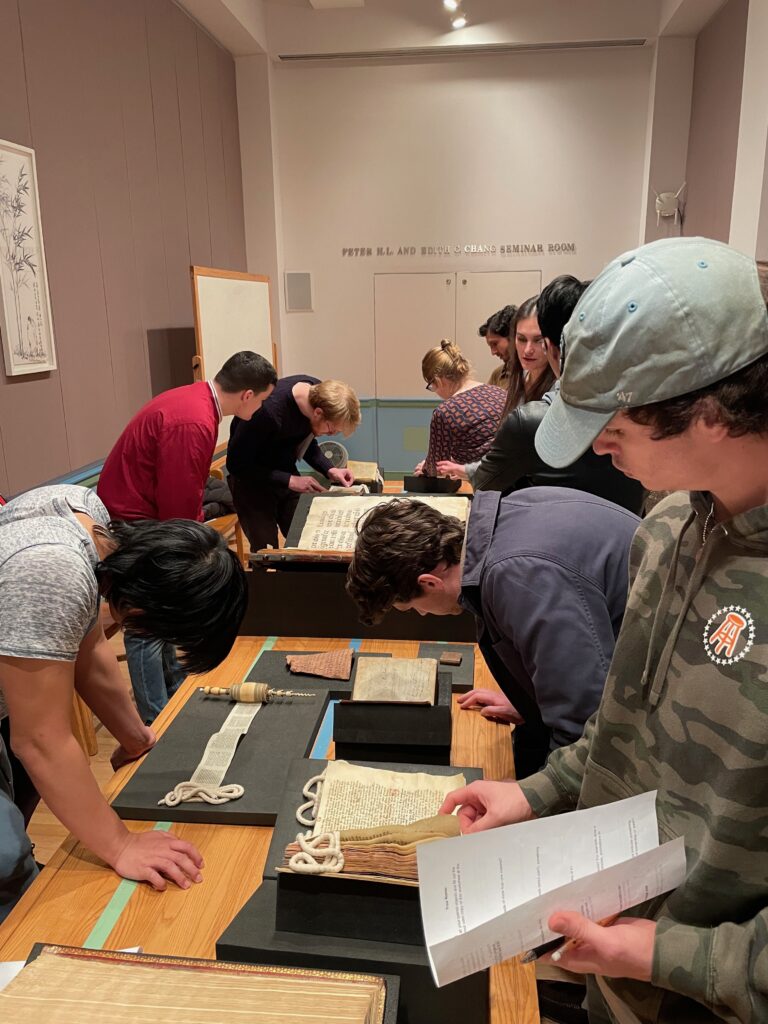
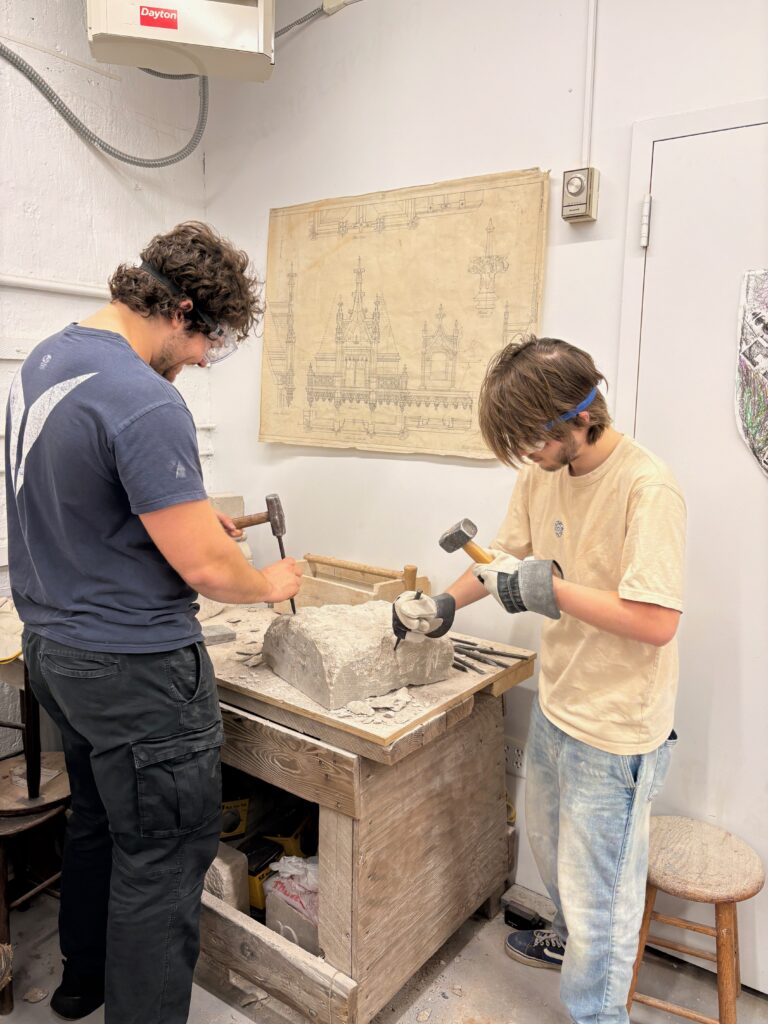
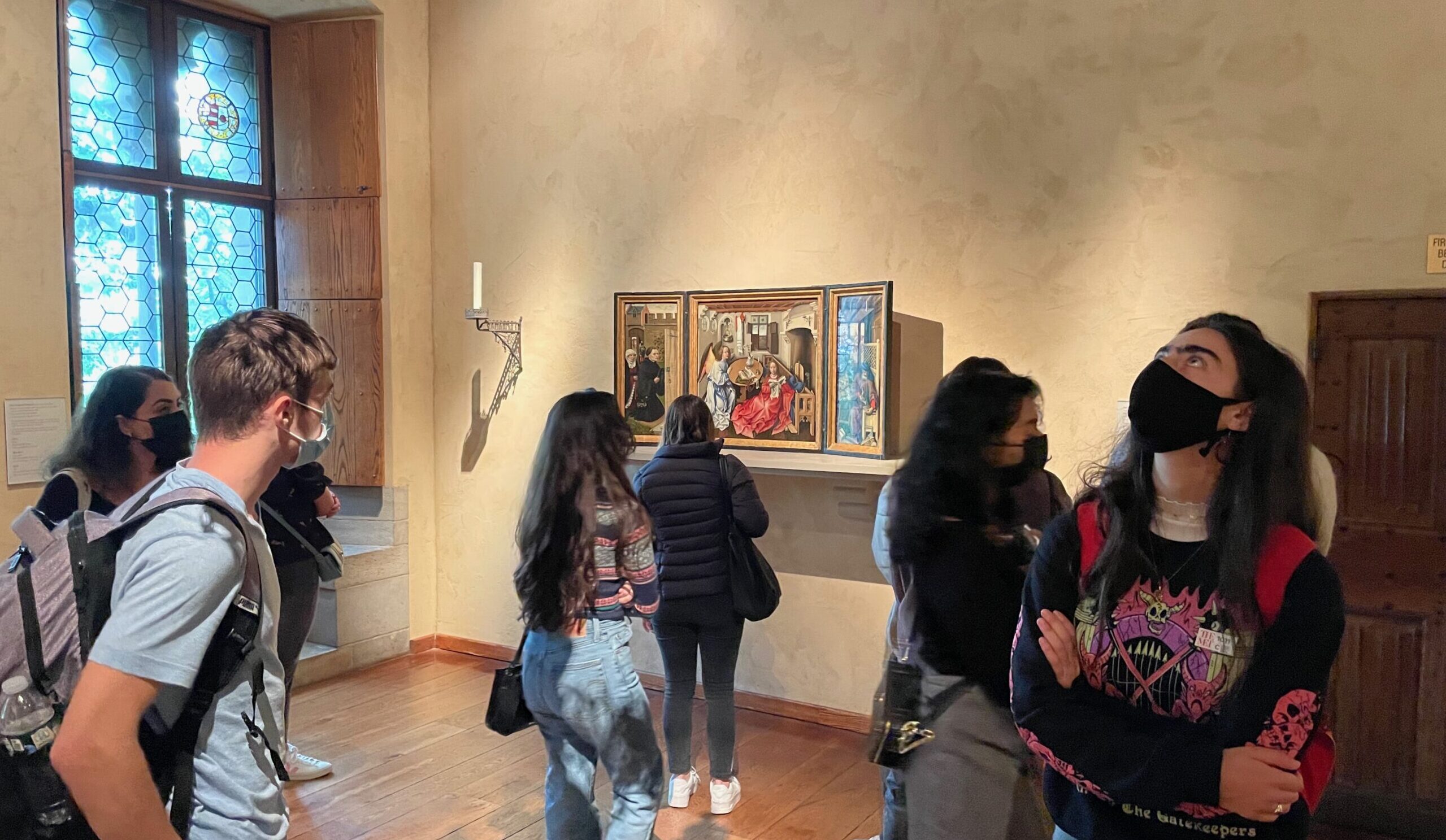
I enhance this sense of belonging by creating shared cultural experiences and applying principles of equity and inclusion. In my classes, I avoid making specific references that assume students’ familiarity with certain cultural products. Instead, I provide opportunities for students to build shared experiences by organizing free visits to museums and rare book collections, and group meals, which translates into greater engagement and social integration. This allows students to get to know one another and me, the instructor, and to create shared cultural, intellectual, and human experiences not specific to certain social classes or academic backgrounds. Students have noted the impact of these practices on their learning, describing these gatherings as valuable opportunities to build community outside of the classroom, thereby fostering an inclusive and stimulating learning experience.
I develop my assignments reflecting equity and transparency principles to empower students to succeed. Rather than assuming that my students have the academic, cultural, and professional capital to 1) engage with canonical works of art and literature and 2) know what is expected from them at the university level, my close reading and visual analysis assignment guidelines detail precisely what I expect students to do, why I ask them to do such exercises, how skills of close reading or visual analysis fit in the course as a whole, and how I evaluate their work. Ultimately, greater transparency in my assessment guidelines and access to my grading rubrics encourages all students to feel more confident in the skills on which I assess them. I have found that making assignment guidelines and assessment tools accessible, transparent, and detailed benefits all students, not just those who may need additional support. In this way, all students in my classroom are set up for success regardless of their background or accessibility needs. Nontraditional students and those less confident in the skills they bring into my classes, in addition, may experience greater empowerment and a sense of belonging by realizing that they understand the otherwise “secret, unwritten rules of college” (Berrett, 2015). During an anonymous mid-course review facilitated by the CTL, students pointed out that these thorough guidelines and detailed rubrics were not only reassuring but also helpful in the process of writing
Acknowledging that not all students are familiar or comfortable with university-level writing, I teach students to incorporate feedback into their writing and incorporate opportunities for intellectual growth through formative assessments. Most recently, I asked students to write four short close reading analyses rather than a single, longer one. I grade the first analysis for completion and use it to provide ample feedback and gauge which students may need more support or may be less familiar with thinking and writing in the humanities. In doing so, I equip students with the tools and the confidence to continue working on subsequent assignments. I also encourage them to risk vulnerability as they find their voice as writers because each analysis is low-stakes compared to longer papers. The opportunity to receive ongoing feedback throughout the semester helps students build grit—that is, strength of character by learning how to see critique as part of a learning process rather than as evidence of failure, as could be the case with summative assessments. Students from all disciplines have responded positively to my ongoing feedback, stating that I was “never too harsh, but always made sure we learned from our mistakes.”
In teaching them to receive and incorporate feedback, I actively model this process in my intellectual and professional development. I openly request input from them (directly or anonymously through the Centre for Teaching and Learning), invite peer assessors into my classes, and implement pertinent changes in my teaching and assessments to fit the needs of my students. They have also noted and appreciated my concerted efforts to grow as a pedagogue and to make my classes a worthwhile experience:
“[Daniel] evolved as a professor and elevated his communication and teaching skills throughout the semester.”
Anonymous comment by student (Fall 2023)
Beyond learning the content of the course, I help students develop tangible skills. To facilitate this, I incorporate learning journal assignments that help students reflect on their progress, make connections between the class content and other aspects of their lives, and understand how this class fits into their broader undergraduate experience and professional preparation. Because not one individual has the same life experience—some might be (single) parents, primary caregivers, or from low-income families—students, especially nontraditional ones, are mainly concerned with the latter: “How will this class or my degree translate into a job?” Rather than asking them to write another essay, I teach them how to use Canva—a free software for graphic design—and invite them to answer thematic questions with an infographic or an Instagram carousel. By emphasizing this very practical application, students demonstrate their ability to synthesize large amounts of information into a condensed, visual form and actively engage in a form of communication that is omnipresent in their lives—on social media, poster ads, and so forth—two transferable skills that they can translate into the job market. Students have noted the impact of my classes in developing their language and writing skills, critical thinking, and visual literacy.
As I continue to grow as an instructor and strive to answer the question, “For whom is a liberal arts education?” my commitment to equity, inclusion, and accessibility remains at the forefront of my teaching practice. Informed by a Universal Design for Learning framework, I implement adaptable teaching, transparent assessments, ongoing feedback, and multiple means of action and engagement to set all students up for success in my classroom and their broader academic and professional journey.
Read more about the impact of these practices here and how I align my teaching with principles of Inclusion, Diversity, Equity, and Accessibility here, or peruse some of my teaching materials here.